

My doctoral research at the UCL Bartlett School of Graduate Studies focused on evaluating the real-life performance of sustainable buildings in the hot, arid climate of Abu Dhabi, with particular attention to indoor air quality, thermal comfort, and occupant wellbeing.
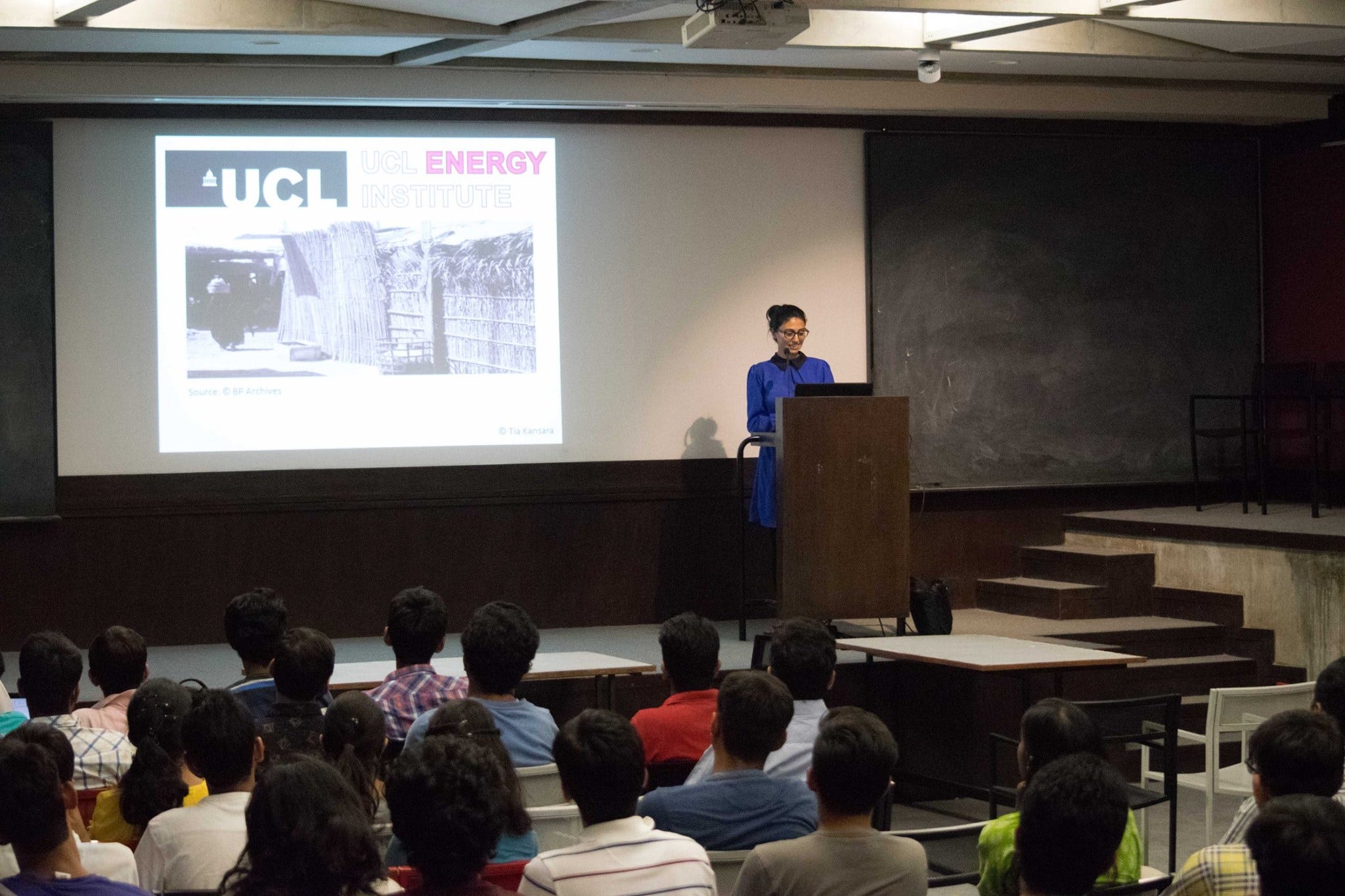
During my PhD research on building performance in Abu Dhabi, I found that indoor air quality (IAQ) and thermal comfort are not just technical variables—they are deeply tied to human wellbeing, energy use, and behavioural patterns. By applying Post Occupancy Evaluation (POE), which included both quantitative data (such as air temperature, velocity, and humidity via data loggers) and qualitative data (occupant surveys and interviews), I demonstrated how minor adjustments in indoor environmental controls could lead to significant energy savings without compromising comfort.

What stood out was the mismatch between designed building systems and their real-life operation. In several buildings, occupants reported discomfort due to over-air-conditioning, leading some to wear blankets indoors or leave the building to "defrost." In one case, a building’s air was perceived as “too humid” in summer, yet overall satisfaction remained high—highlighting the complex interplay between sensory perception, health, and energy management. Perhaps most critically, the lack of occupant control over ventilation and temperature was consistently linked to dissatisfaction. These findings show that improving IAQ requires more than technology; it demands participatory building management and a shift from one-size-fits-all models to nuanced, occupant-centred approaches
Why Indoor Air Quality Matters
Did you know the air inside our homes can be up to 5x more polluted than outside With synthetic furniture, paints, cleaning products, mould, pollen, dust, and even electromagnetic pollutants — our homes can become hidden sources of chronic stress on our health.
We spend up to 90% of our time indoors — in homes, schools, offices, and vehicles. And yet, the air in these enclosed environments is often 5 to 10 times more polluted than the air outside, according to the World Health Organization (WHO). This silent exposure impacts everything from our immunity and sleep to cognitive function and long-term disease risk.
If the air in our homes was visible, we’d treat it like drinking dirty water. The fact that it’s invisible makes it easy to ignore — but no less dangerous. It’s time to shift our awareness, assess the quality of the air we breathe every day, and take empowered steps to improve it.
The Forgotten Organ: Breathing in Toxins Daily
The human respiratory system is one of the most sensitive entry points for environmental toxins. Every breath draws in not just oxygen, but particulate matter (PM2.5 and PM10), volatile organic compounds (VOCs), mould spores, pollen, dust mites, synthetic chemicals, and microbes. These pollutants can cause:
Respiratory issues: asthma, bronchitis, chronic inflammation
Allergies and immune dysregulation
Headaches, fatigue, poor sleep, and brain fog
Cardiovascular stress and oxidative damage
Hormonal disruption from chemicals like formaldehyde or phthalates
Increased risk of cancer from radon and other long-term exposures
Children, the elderly, and those with chronic illness are especially vulnerable. Yet even the healthiest among us feel the subtle impacts: waking up congested, getting sick more often, or feeling sluggish without knowing why. The modern home has become a chemically complex environment. Consider the typical sources of indoor pollution:
Off-gassing from synthetic furniture, carpets, paint, and adhesives
Cooking fumes, especially from gas stoves
Cleaning products, air fresheners, and personal care products that emit VOCs
Mould and dampness from poor ventilation
Dust and pet dander
Microplastics from synthetic fabrics and packaging
External pollution that enters via windows and doors — especially in urban settings
This accumulation creates a "chemical soup" that affects our biology every day. Worse still, indoor air doesn't circulate naturally like outdoor air. Without proper filtration or ventilation, these pollutants become trapped and concentrated.
Why You Should Assess Your Air Quality
Assessing your indoor air quality isn’t about paranoia — it’s about clarity and prevention. Most people are unaware of the quality of the air they live and sleep in. Regular assessment gives you real data to act on and identify invisible threats before they lead to chronic health issues.
What an IAQ assessment can reveal:
Levels of particulate matter (PM2.5/PM10)
Presence of VOCs, radon, carbon monoxide, nitrogen dioxide
Humidity and temperature fluctuations
CO₂ levels, which impact alertness and sleep
Mould spore presence and type
Many modern devices (like Airthings or IQAir monitors) can do this in real time, offering insights within hours. Clean air isn't just a luxury — it’s foundational for:
🫁 Lung and respiratory support
🧠 Mental clarity and focus
😴 Better sleep
🛡️ Reduced exposure to allergens and pathogens
🧬 Long-term immune resilience
How to Improve Your Indoor Air Quality
Once you've assessed your air, small changes can make a significant difference:
Invest in a quality air purifier
Look for HEPA filtration (to capture fine particles), carbon filters (for VOCs), and UV-C or PECO technology (to kill microbes). I’m coming to this…Ventilate daily
Open windows to exchange indoor air, especially after cooking or cleaning.Houseplants for natural filtration
Certain plants like peace lilies, spider plants, and rubber trees absorb VOCs — though they’re not a substitute for filtration, they can complement it.Switch to non-toxic cleaning and personal care products
Avoid aerosols, synthetic fragrances, and harsh chemicals.Address dampness immediately
Fix leaks, dehumidify moist areas, and regularly check for mould.Remove synthetic candles, incense, and sprays
They often emit harmful VOCs under the guise of “aromatherapy.”Maintain HVAC systems
Clean filters regularly and schedule professional servicing annually.
Your Home as a Living System
Think of your home as an ecosystem — and air as its circulatory system. Just as clean water nourishes your cells, clean air nourishes your brain, lungs, and spirit. When you improve your air, you’re not just removing pollutants — you’re inviting vitality, clarity, and peace into your daily life.
Especially in a post-pandemic world, where home has become office, gym, sanctuary, and sometimes school — the need for healthy air has never been more urgent or more personal. Clean Air is a Human Right — and a Planetary Necessity…
This conversation is not just about our homes. It’s also about advocating for cleaner environments, responsible industry, and conscious urban planning. By improving our indoor air, we set a precedent for global health, planetary regeneration, and future-facing design.
When we assess and upgrade our indoor air, we take back power from systems that have normalised toxicity — and step into sovereignty over our health.
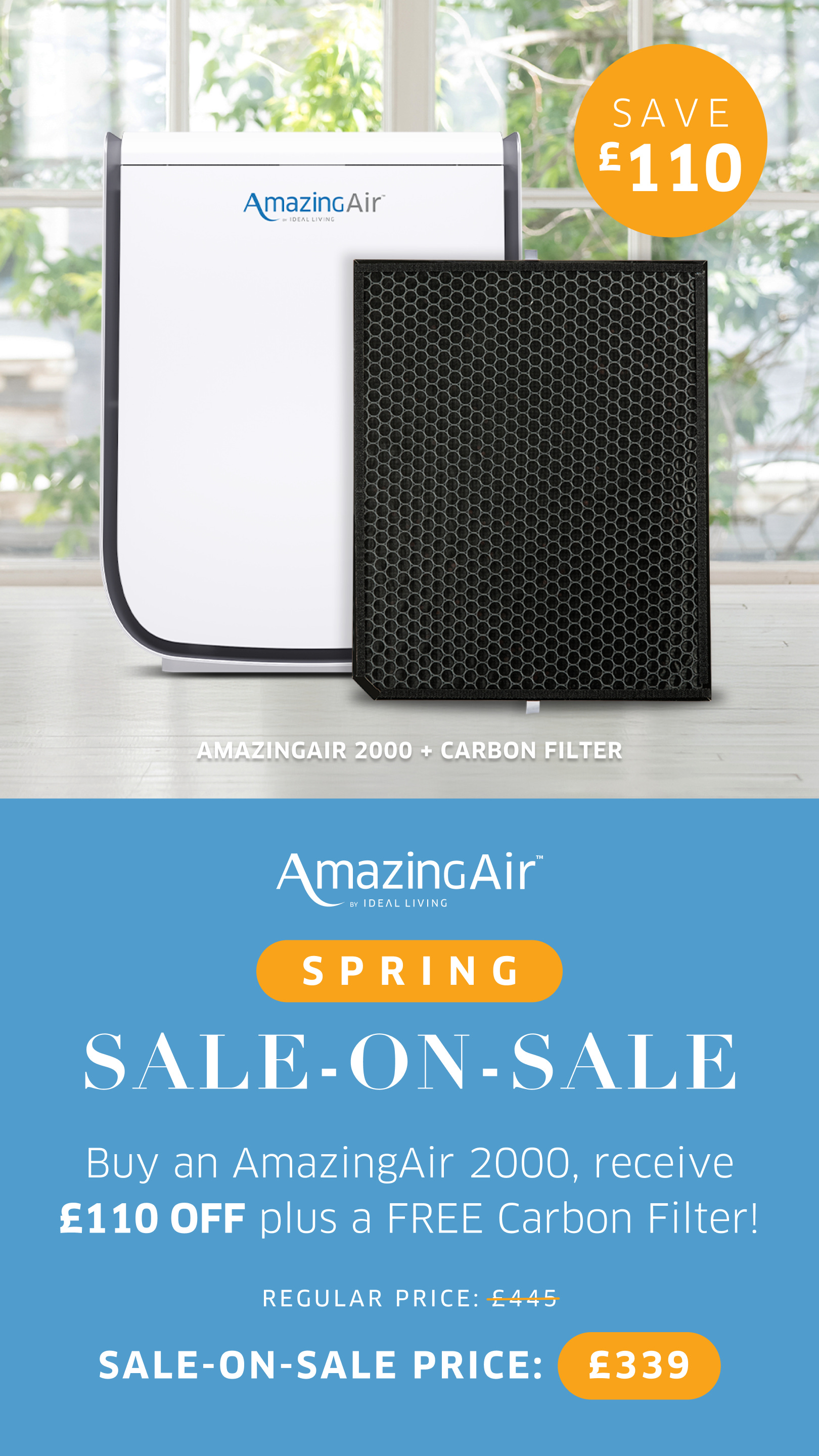
That’s why I’m excited to share a limited VIP offer from Amazing Air — a company I trust that’s changing the game in indoor air purification. If you've ever considered upgrading the quality of the air in your home, this might just be the moment. Let me tell you why.
What Makes Amazing Air Different?
Their filters are multi-stage, silent, and designed to tackle ultrafine particles, VOCs (volatile organic compounds), mould spores, and bacteria. Think of it as giving your home a deep energetic reset — every day.
I love that they’ve focused on:
Eco-conscious filter technology
Energy efficiency
Sleek design that fits into any space
Affordable replacement filters
Zero gimmicks, just real results backed by science
Cognitive Clarity Starts With Clean Air
Emerging studies from Harvard and Stanford have shown a direct link between indoor air quality and cognitive performance. Fine particles and CO₂ levels can impair memory, reaction time, and decision-making. In school children, higher levels of CO₂ and PM2.5 have been linked to poorer academic performance. In workplaces, employees report better focus, fewer sick days, and improved productivity in spaces with clean air systems. In short: your mental clarity, creativity, and emotional balance are intimately tied to the air you breathe.
Mould: The Silent Saboteur
One of the most insidious indoor air threats is mould — often invisible, but powerful. Even a small leak behind a wall or under a sink can grow mould that releases mycotoxins, triggering allergic reactions, respiratory distress, brain fog, and even neurological symptoms in sensitive individuals. People suffering from “mystery illnesses” often find the root cause is mould exposure, particularly black mould (Stachybotrys), which can devastate immune function over time.
Sovereignty Starts with the Breath
In these times, clean air is not only a wellness upgrade — it's a sovereign act. When we take care of our inner ecosystem, we create ripple effects that support our families, our work, and the Earth.
Feel free to share this with anyone who’s looking to elevate their health from the inside out. Every breath matters.
#AirQuality #Wellbeing #ReplenishEarth #EcoLiving #ConsciousHome #AllergyRelief #DetoxYourSpace
Haven’t used to featured product but I can certainly attest to the veracity of the info. I had a lung infection that got really gnarly because of hidden mold. Imagine these microscopic critters billowing about your enclosed spaces… Naturopath prescribes natural cure (Broncafect—Licorice, Pleurisy Root, Echinacea, White Horehound, Ginger and Thyme essential oil, if you must know) and in TWO DAYS my three-year affliction was gone. Next was finding the mold, which was lurking under a foam mattress. When I sleep with wind blowing in my face I wake up feeling fantastic… need a drink, though, for sure. Anyway, great info, great suggestions, great effort on the Doc’s part. Thank you!!